Parables
Stories that reveal the Kingdom.
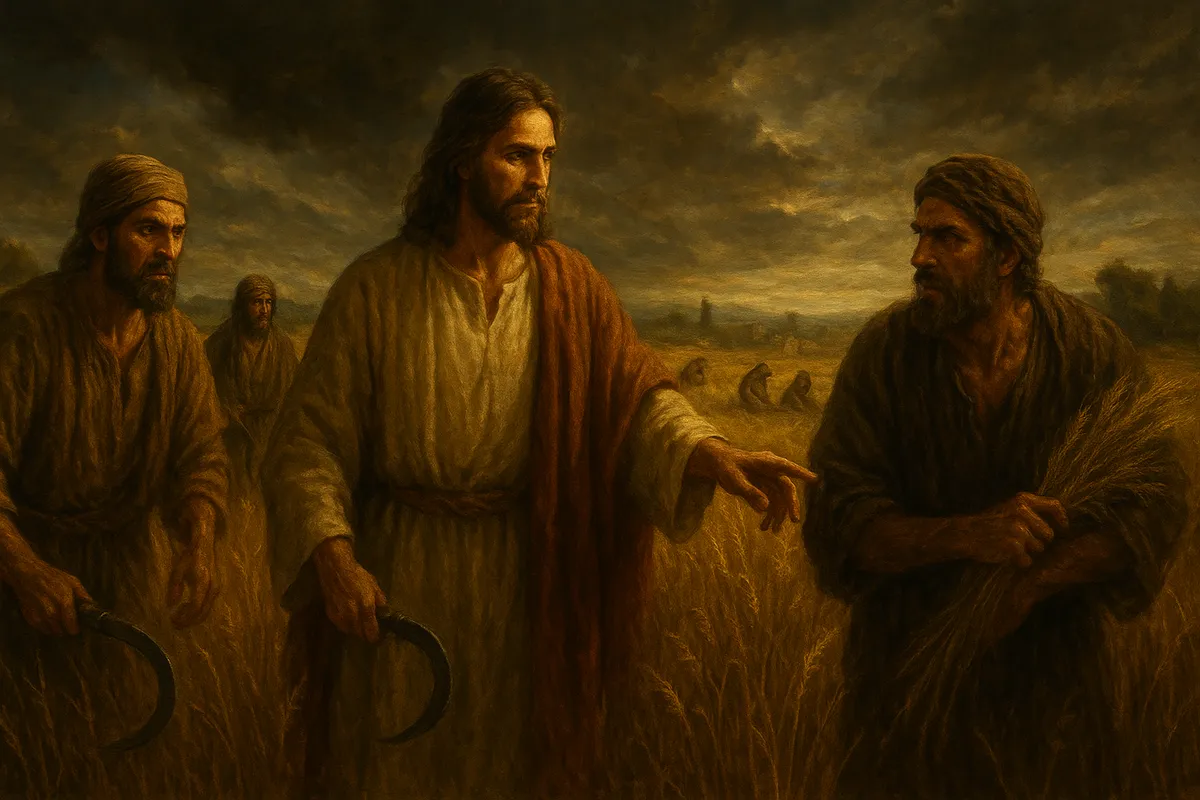
The Wheat and the Tares
The Kingdom coexists with evil until the end of time.
1. Historical-Scientific Aspect
Botany: The 'chaff' (zizania) is most likely Lolium temulentum, a weed that, in the early stages, is botanically indistinguishable from wheat. Only during fruiting does the difference appear (ears of chaff are darker and the grain is toxic, causing dizziness and nausea). Roman Law: Sowing tares in the enemy's field was a crime recognized in Roman law, indicating real economic sabotage.
2. Theological Aspect (Universal Basic)
This parable teaches divine patience and the prohibition of 'premature judgment'. The Church does not have the authority to eradicate the 'children of the evil one' by force, as in trying to cleanse the world (inquisitions, crusades, forced puritanism), it often destroys the wheat (the righteous). Judgment belongs exclusively to the angels in the end times.
3. Counterpoints and Misinterpretations
Some use this text to justify the lack of discipline within the church (letting sin run rampant). However, the field is 'the world' (v. 38), not the church. Ecclesiastical discipline has its place (1 Cor 5), but eradicating evil from the world is not a human task.
See the full explanation above.
Still have a question about this?
Take your question to Memra and see what Scripture says, where interpretation is involved, and where there is no biblical basis.
The question opens pre-written in the chat. Review it before sending.